What Should You Expect From a Photography Tour in Morocco?
Morocco is one of those rare destinations where every corner feels like a frame waiting to be captured. From the winding alleyways of ancient medinas to the sweeping silence of the Sahara, the country offers an almost overwhelming richness of visual material. But knowing what to expect before you go makes the difference between a scattered collection of snapshots and a truly powerful body of work.
Content
The Pace Is Different From Regular Travel
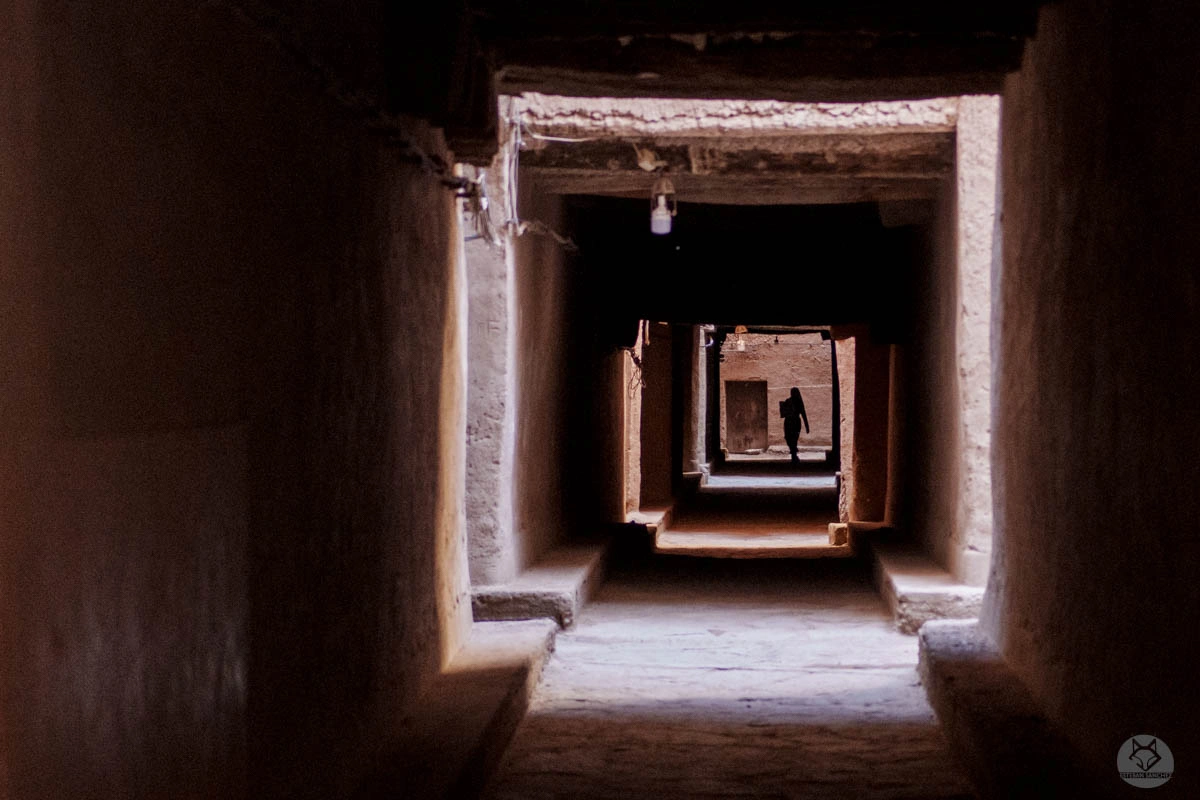
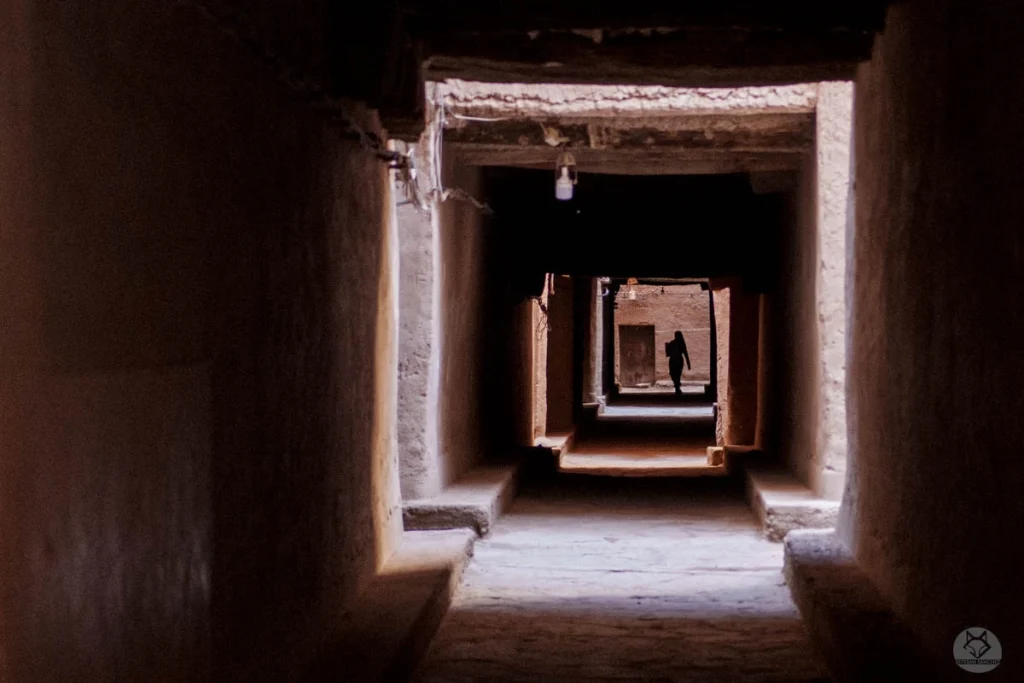
The first thing to understand about morocco photo tours is that they are not sightseeing trips with a camera attached. The pace is slower, more deliberate, and entirely shaped by light and atmosphere. You will spend golden hour at a rooftop in Fez rather than rushing to the next landmark. You will wait in a quiet alley in Chefchaouen until the morning crowd thins and the blue walls glow in soft, directional light. This patience is not a luxury — it is the whole point.
Small Groups Make a Real Difference
Quality morocco photography tours keep group sizes very small, typically no more than five or six participants. This is not just a comfort preference — it directly affects the quality of your images. A large tour group transforms any scene into a circus. Small groups move quietly, attract less attention, and allow you to position yourself freely without bumping elbows.
Locations Go Beyond the Obvious
Any traveler can find the famous tanneries in Fez or the Djemaa el-Fna square in Marrakech. What a well-structured photography tour gives you is access to the less-photographed version of those places — early in the morning, from an unusual angle, or during a local event that most visitors never know about. You will also be taken to locations that do not appear in travel magazines: remote Atlas villages, forgotten kasbahs along the southern routes, coastal fishing communities in Essaouira.
You Will Work Across Multiple Genres
Morocco naturally demands versatility. In a single day, you might shoot landscape photography in the High Atlas, documentary-style street portraits in a medina, and architectural details inside a centuries-old mosque courtyard. The best morocco photography tours are structured to help you move fluidly between these genres, adapting your technique to each environment rather than applying a one-size-fits-all approach.
Feedback Is Built Into the Experience
Unlike traveling alone, a guided photography tour gives you real-time feedback on your images while you are still in the field. This is invaluable. Seeing what works and what does not — light, composition, timing — while you still have the opportunity to re-shoot is worth more than any post-trip workshop.
Practical Realities to Know
Morocco’s medinas are chaotic and physically demanding. Narrow streets, uneven cobblestones, and sudden changes in light intensity are part of the daily reality. Bring comfortable walking shoes, a versatile lens range, and expect to be on your feet for several hours each day. Also worth noting: drone use is tightly restricted in Morocco, with confiscation at the airport being a real risk for unpermitted equipment. Leave the drone at home and focus on what you can capture from the ground — which is, as it turns out, more than enough.
The Human Element Is Central
More than the landscapes or the architecture, it is the people of Morocco who define its visual identity. The best photography tours prepare you to engage with subjects authentically — without paying for staged poses, without disrupting daily life, and without reducing complex human beings to exotic props. Learning to photograph people respectfully and candidly is perhaps the most valuable skill you will develop on a trip like this.
This author’s life has been an adventure. He has visited over 30 countries, and lived in four different states. He is a traveler at heart, but he also loves exploring the outdoors on his bicycle or hiking with his canine companion.